Table Tennis: China's National Passion
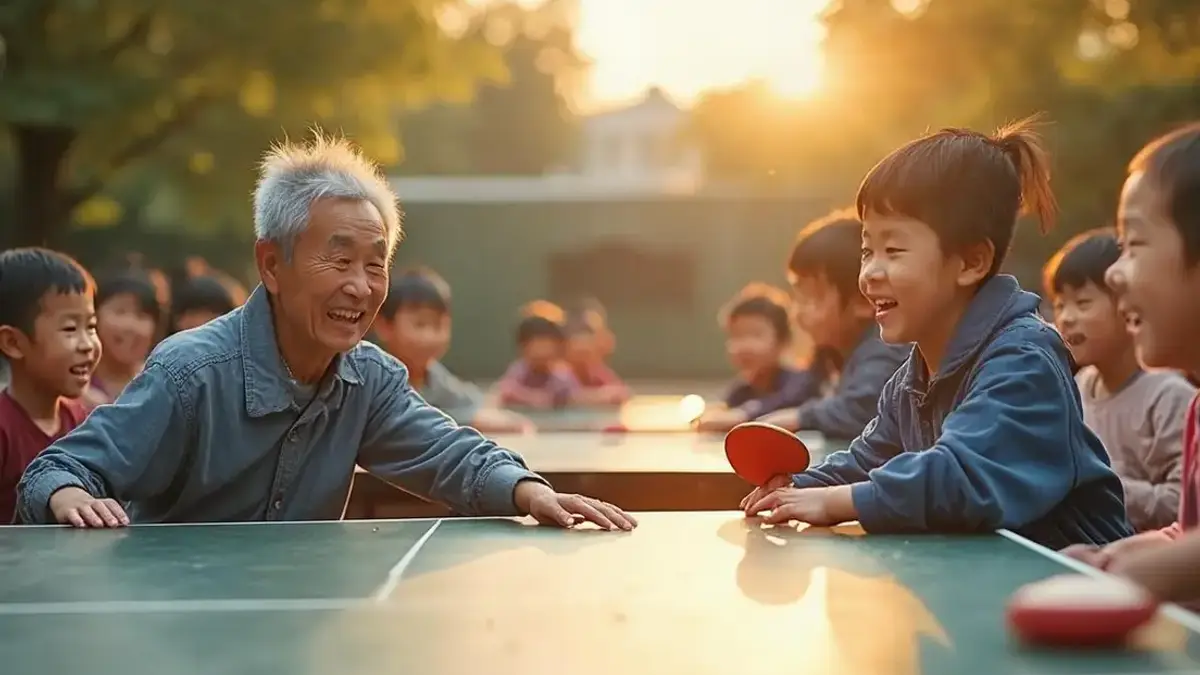
In China, table tennis is more than just a game—it’s a cultural phenomenon that has captivated the nation for decades. Known as ‘the national ball sport,’ ping pong has woven itself into the fabric of Chinese society, played in parks, schools, and professional arenas across the country. What began as an accessible pastime has evolved into a source of national pride, with China consistently dominating international competitions and producing some of the world’s greatest players.
The sport’s popularity in China can be traced back to the 1950s when Chairman Mao Zedong promoted table tennis as an activity for the masses. Recognizing its accessibility—requiring minimal equipment and space—China embraced the sport, establishing it as a cornerstone of physical education in schools. This early investment paid dividends, as China soon developed a system for identifying and nurturing young talent, creating a pipeline of world-class players that continues to this day.
China’s dominance in table tennis is unparalleled. Since table tennis became an Olympic sport in 1988, Chinese athletes have won more gold medals than any other nation. The country’s success extends beyond the Olympics, with Chinese players consistently topping world rankings and championships. This remarkable achievement is the result of a comprehensive training system that begins in childhood, with children as young as six identified for specialized training in table tennis academies.
The cultural significance of table tennis in China cannot be overstated. During major international competitions like the Olympics or World Championships, the entire nation comes together to cheer on their players. Matches are broadcast nationwide, and public viewing parties are common in schools and workplaces. For many Chinese, table tennis represents not just athletic excellence but also national unity and pride.
For international visitors to China, experiencing table tennis culture is a must. In parks across the country, you’ll find locals of all ages enjoying casual games. Beijing’s parks are particularly famous for their table tennis tables, where expats and locals alike can join in friendly matches. Many hotels also offer table tennis facilities, making it an accessible activity for tourists looking to engage with Chinese culture beyond the typical tourist attractions.
Looking ahead, China’s table tennis scene continues to evolve. While traditional training methods remain important, there’s growing emphasis on sports science, technology, and psychological preparation. Young players are being exposed to international competition earlier, and China is investing in developing the next generation of champions. As the sport continues to grow in popularity worldwide, China’s influence and dominance in table tennis shows no signs of diminishing, ensuring that the national passion for ping pong will continue for generations to come.