Michelin Guide Debuts in Shenzhen, Awarding Seven Stars at First Judging
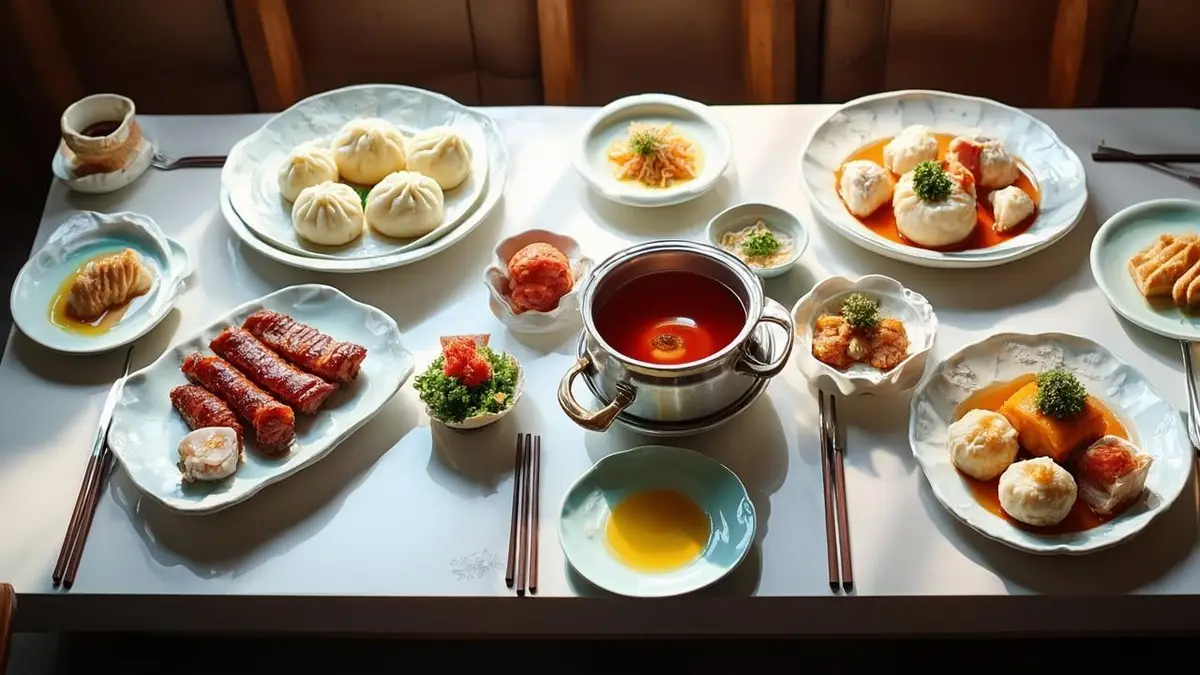
Shenzhen, the southern Chinese tech hub often called the country’s Silicon Valley, has earned its first Michelin stars. On August 18, the 2026 Michelin Guide for Guangzhou and Shenzhen was released at Luohu MixC in Shenzhen, marking the first time the two neighboring cities have been judged together. It was also Shenzhen’s debut as a Michelin destination, and the city did not disappoint: seven restaurants received stars in the inaugural list.
The combined guide includes 176 restaurants across both cities. Among them are five two-star establishments, twenty-two one-star restaurants, seventy-three Bib Gourmand picks for good value, and seventy-six general selections. The decision to merge the two cities into a single guide reflects their growing integration as a Greater Bay Area dining corridor, where diners routinely cross the border between Guangzhou’s Cantonese traditions and Shenzhen’s younger, more experimental food culture.
For global readers unfamiliar with the scene, Guangzhou has long been considered the heartland of Cantonese cuisine, with a culinary lineage stretching back centuries. Shenzhen, by contrast, is a city of immigrants — its population surged from a fishing town to a metropolis of over 17 million in just four decades, bringing together cooks and tastes from across China. That diversity is now being recognized on an international stage.
The timing of Shenzhen’s debut is notable. China’s fine dining sector has been recalibrating after a period of rapid expansion. According to industry observers at the 2026 Food World Fine Dining Investment Forum held in Shanghai in August, the industry is shifting from a race to open new venues toward what participants called operational delivery — focusing on sustainable profits, repeat customers, and brand longevity rather than sheer growth. A separate city investment index released at the forum showed Hong Kong holding its position as a fine dining stronghold, Hangzhou climbing rapidly, and Macau’s casual dining sector showing signs of a turning point.
Michelin’s arrival in Shenzhen could accelerate that maturation. Restaurants that earn a star often see an immediate surge in reservations, but the challenge lies in converting that initial buzz into lasting business. At the Shanghai forum, chefs and restaurateurs discussed how to turn list recognition into long-term value, with some arguing that a chef must first decide whether to follow diners’ tastes or to lead them as a culinary artist. The consensus was that lasting influence comes from consistently well-designed dining experiences, not from a single award.
The 2026 guide also highlights the growing influence of Chinese culinary media and awards. Platforms like the Food World list, launched by Shanghai-based Interface News, now assess fine dining brands across eighteen categories, from innovation to service. These domestic rankings increasingly shape investor decisions and consumer choices alongside international guides like Michelin.
For travelers, the new guide offers a practical map. Guangzhou’s starred tables lean toward refined Cantonese classics — dim sum elevated to an art form, roast meats with crackling skin, and double-boiled soups. Shenzhen’s list skews more eclectic, with influences from Sichuan, Hunan, and international cuisines, mirroring the city’s migrant DNA. Bib Gourmand entries provide affordable entry points for visitors who want a taste of the scene without the star-level price tag.
As the Greater Bay Area continues to integrate, the Michelin Guide’s decision to judge Guangzhou and Shenzhen as one destination may signal a broader shift: fine dining in southern China is no longer defined by a single city, but by a connected region with a shared appetite for excellence.