China's Vision Pro Fans Rejoice: visionOS 27 Brings Big Upgrades
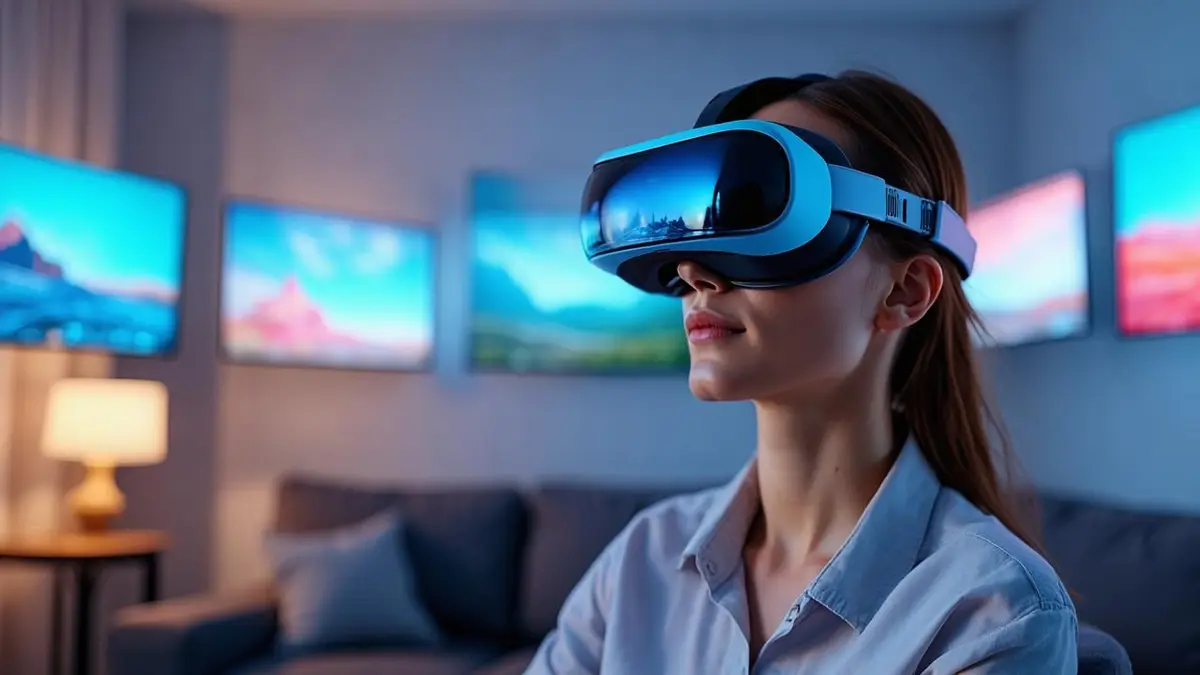
Apple has released visionOS 27, the latest major software update for its Vision Pro mixed-reality headset, and early adopters in China are taking note. The update, which began rolling out in mid-September alongside iOS 27, iPadOS 27, macOS 27 and watchOS 27, focuses on refining the spatial computing experience with new features and environments, according to a detailed hands-on report from the Chinese tech publication SSPAI.
Among the most talked-about additions is an upgraded Siri that can better understand context and perform tasks within apps. The update also introduces new “environments” — Apple’s term for immersive virtual backdrops that replace your physical surroundings — which users can now customize more deeply. These environments are designed to make long work sessions or movie nights feel more natural and less fatiguing, a common complaint among early Vision Pro users.
The Vision Pro, which launched in China earlier this year after its initial U.S. debut in 2024, remains a niche product due to its high price and limited app ecosystem. But enthusiasts argue that software updates like visionOS 27 are slowly turning it from a novelty into a genuinely useful tool. The new update improves hand tracking and eye input, making navigation smoother, and adds support for more third-party apps.
SSPAI’s editors, who tested the beta version for weeks, noted that the new environments feel less static and more responsive to lighting changes in the real world. They also praised the improved virtual keyboard and the ability to run more Mac apps seamlessly through Mac Virtual Display, a feature that lets users mirror their computer screen inside the headset.
For Chinese users, one of the most welcome changes is better localization. Siri now handles Mandarin queries more accurately, and several system apps have been optimized for Chinese input methods. This matters because Apple has been aggressively promoting the Vision Pro in China, where it faces competition from domestic players like Pico, owned by ByteDance, and Rokid.
Still, the headset’s future in China depends on more than software. Priced at around 30,000 yuan (roughly $4,200), it remains a luxury item. And while Apple has partnered with local developers to bring more content, the library of native spatial apps is still small compared to the iPhone’s App Store. Many Chinese buyers use the device mainly for watching movies and playing games, rather than for productivity.
That said, the visionOS 27 update shows Apple is committed to iterating quickly. The company has been rolling out major updates on a yearly cycle, similar to its other operating systems. For Chinese tech fans who bought the headset as an early bet on spatial computing, each update brings it closer to the sci-fi future they were promised. Whether that’s enough to broaden its appeal beyond die-hard enthusiasts remains an open question — but for now, the faithful have a reason to put their headsets back on.
For global readers curious about China’s tech scene, the Vision Pro’s trajectory here offers a window into how premium foreign hardware is received in a market that’s both eager for innovation and highly price-sensitive. The device may not be a mass-market hit, but its software evolution is worth watching, especially as Apple prepares for a possible cheaper model in the coming years.