A Fan-Made LoRA Turns Qwen-Image 2.1 Into a Chibi Sticker Machine
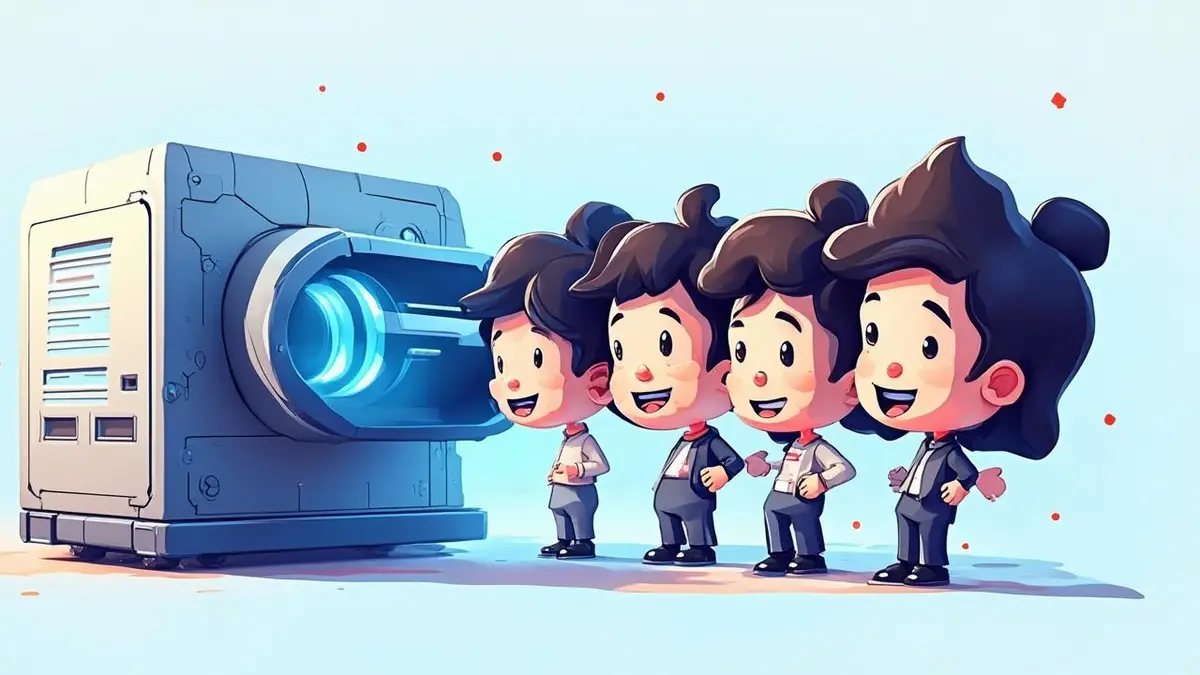
A short Chinese learning note is circulating among AI art hobbyists, and its subject is unusually specific: a fan-made style adapter that makes a general image model draw characters in the chibi look of Zenless Zone Zero, the urban fantasy action game from Shanghai studio miHoYo.
The adapter, called zenlesszonezero_chibi, is a LoRA — a small add-on file that nudges a large image model toward a particular style or subject without retraining the whole thing. It sits on top of Qwen-Image 2.1, the image model from Alibaba’s Qwen team. The file is tiny by modern standards: a 76MB download containing three step-count snapshots, with the trigger word simply the adapter’s own name.
What it does is narrow and deliberate. The base model leans realistic in its human proportions; the LoRA pushes figures toward the game’s sticker-like aesthetic — oversized heads, small bodies and heavy, bold outlines. Its rank is just 16, a measure of how much extra capacity the adapter carries, and the author calls a strength setting of 0.70 the sweet spot. The license is Apache-2.0, which permits reuse and modification.
The note is written for people who want to mass-produce chibi character art without training a model themselves. It includes a small gallery of sample outputs at a 3k step count and 0.70 strength, and the tone is practical rather than promotional — a working recipe passed between hobbyists.
That such notes exist at all reflects how China’s open image-model ecosystem has matured. Qwen-Image is released openly, and a cottage industry of small adapters has grown around it, each one cheap to train and easy to share. A 76MB file is a far cry from the multi-gigabyte checkpoints that once defined the field.
It also shows how game fandoms and generative tools now feed each other. Zenless Zone Zero has a distinctive visual identity, and fans want to reproduce it — for avatars, stickers, fan art and merchandise mockups. A style adapter is the shortest path from that desire to a folder full of images.
The legal ground remains grey. The adapter’s Apache-2.0 license covers the file itself, not the game’s characters or designs, which belong to the studio. For now the community treats such tools as fan infrastructure, shared freely and used at the user’s own discretion.
What to watch is whether official pipelines follow. Game studios increasingly ship their own style tools and asset generators; if miHoYo or its peers offer sanctioned chibi generators, the fan-made LoRA becomes a stopgap rather than a fixture. Until then, a 76MB file and a trigger word are enough to turn a realistic model into a sticker factory.