A Vietnamese Party Game Where AI Grades Your Impressions Hits 11 Million Downloads
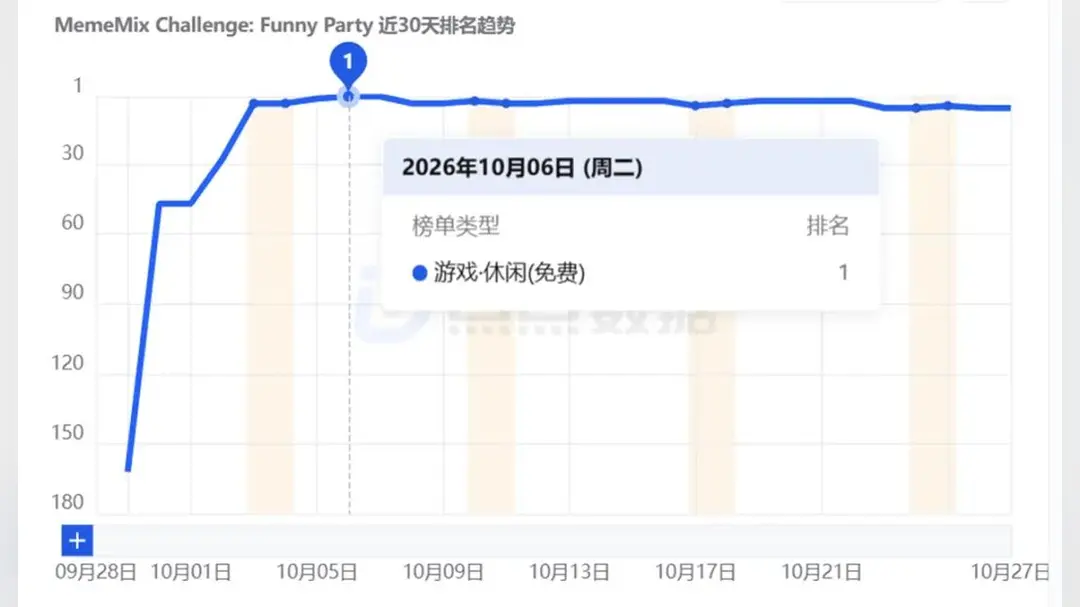
A party game built around bad impressions has become one of the year’s quiet breakout hits in Southeast Asia. Mimic Party, made by a Vietnamese studio, is reported to be drawing around 11 million downloads a month and sitting at the top of app charts in several Southeast Asian countries — a scale that few games from the region’s smaller studios reach.
The format is simple. Four players hear the same randomly matched audio clip, take turns imitating it, and an AI model grades how close each attempt came. The game layers on voice distortion, joke sound effects and clips that cross languages, so a player may be asked to copy a line from a well-known anime in a language they do not speak. The scoring gives the silliness a scoreboard.
The spark appears to have come from streaming rather than marketing. About two weeks ago, a Japanese voice actor uploaded a roughly 30-minute video of himself and three others playing the game. It has since passed 15 million views on YouTube, helped along by segments in which the group mimics lines from popular anime series. That kind of clip is close to ideal for short-form reposting, and the game’s premise — everyone sounds ridiculous, and a machine says who sounded least ridiculous — travels without translation.
Mimic Party fits a broader shift in how small studios find audiences. Instead of buying installs, developers design for the moment a game becomes watchable: a rule set that produces a reaction, a round length that fits a video, and enough randomness that two sessions never look alike. Voice imitation is unusually well suited to this, because the funniest part is the failure, and failure is what gets clipped and shared.
The AI judge is the load-bearing piece. Scoring a human impression of an audio clip means comparing pitch, timing and tone, then turning that into a number a player will accept as fair. If the model is too generous the game loses its edge; if it is too harsh players stop trying. The Vietnamese team’s apparent success at this calibration matters beyond one title, because the same scoring approach can be attached to singing, accents, dubbing and language practice.
The regional pattern is familiar. Southeast Asian studios have spent years building mobile games for local tastes and then watching a single viral clip open markets they never targeted. Japan is an obvious next step for Mimic Party: the game’s most-shared content already leans on Japanese animation, and the video that started this run came from a Japanese performer. South Korea and Chinese-speaking markets, where anime fandom overlaps heavily, are the natural follow-ons.
The test now is retention. Novelty party games often spike and fade once the joke is familiar, and a download figure measured in millions per month says more about curiosity than commitment. What will decide whether Mimic Party becomes a franchise is whether the studio can keep feeding it fresh audio, new modes and reasons for streamers to return — and whether the AI scoring holds up once players learn how to game it.