A-Share Rescue, US Selloff: Two Markets, One Split Screen
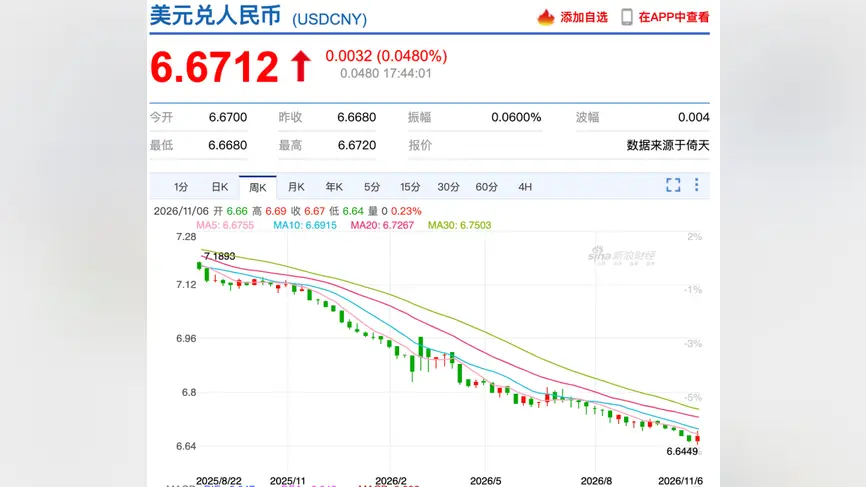
Two stock markets are moving in opposite directions, and the gap has become a talking point among Chinese investors. The shorthand circulating on financial feeds is blunt: A-shares are being rescued, while US stocks are being sold. Beijing’s support measures for the mainland market have steadied sentiment at home just as Wall Street wobbles, and for many Chinese retail investors the contrast is the whole story.
The commentary that sparked this discussion, carried by a Chinese financial column, does not stop at index levels. It opens with an unusual question: should a person be a carpenter or a gardener, a piece of timber or a living plant? The writer argues that under the intense pressure to raise high-achieving children, most people have lived through a transition from carved wood to carver — first shaped by parents who treated them as raw material to be cut, sanded and polished, then becoming the ones holding the tools.
That metaphor is doing real work. The argument is that once people grow used to a mold, they cannot escape it, yet they convince themselves they have grasped the truth and start applying the same mold to the next generation. Applied to markets, the implication is uncomfortable: investors trained to expect a visible hand to steady prices may struggle when a market is left to grow on its own, and may misread a rescue as a permanent feature rather than an intervention.
The timing matters. A-share rescue efforts and a US selloff are not usually discussed in the same breath by Chinese commentators, and when they are, the tone tends to be either triumphal or anxious. Here the framing is more introspective. If mainland stocks are being held up by policy support while US equities fall on their own fundamentals, the question is which model produces healthier price discovery over time — and whether investors on either side understand what is holding their market up.
For global readers, the practical takeaway is that Chinese market commentary is increasingly focused on the psychology of intervention. Retail investors on the mainland are a huge force, and their expectations about state support shape how they behave in drawdowns. A market that is repeatedly steadied can build a habit of dependence; a market that is never steadied can build a habit of fear. The columnist’s carpenter-versus-gardener framing is a way of asking which habit China is cultivating.
There is also a generational thread. The essay suggests that people raised inside rigid expectations pass those expectations on, often without noticing. The same logic can apply to how a generation of investors thinks about risk, rallies and rescues. If the first market experience a young Chinese investor has is one where prices are managed, that becomes the baseline against which every later correction is judged.
None of this settles the direction of either market. What it does show is that the A-share-versus-US-stock split is being read in China less as a scoreboard and more as a lesson about institutions and expectations. The carpenter and the gardener are not just parenting archetypes; they are two ways of relating to any system you are trying to shape — and the essay’s quiet warning is that the carver rarely notices the mold until it is already around him.