The Ancient Art of Chinese Shadow Puppetry Meets Modern Light
Long before cinema and digital screens captivated audiences, the flickering light of a lantern brought vivid stories to life across China. Shadow puppetry, known locally as piying xi, is an ancient art form where flat, intricately carved figures cast silhouettes against a translucent cloth screen. For over two thousand years, these delicate leather puppets have been the stars of myths, legends, and folktales, traveling from village to village in the hands of roaming artisans. Today, this UNESCO-recognized intangible cultural heritage is finding new life as contemporary creators blend tradition with modern technology.
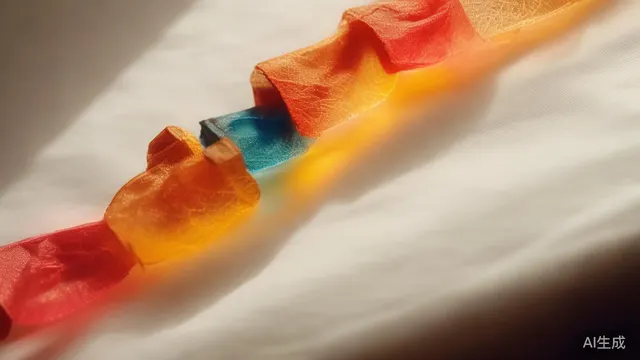
Creating a traditional shadow puppet is a painstaking labor of love. Artisans typically work with treated donkey or ox hide, scraping it paper-thin until it becomes semi-transparent. Using a set of specialized knives, they carve out breathtakingly detailed figures, often leaving delicate lace-like patterns that define the puppet’s robes, headdresses, and facial features. Vibrable translucent dyes are then applied, giving the figures subtle color when backlit. Each puppet features movable joints connected by thin threads, allowing a single puppeteer to manipulate a character’s walking, dancing, or fighting movements with remarkable dexterity.
A traditional performance is a multisensory experience. Behind the screen, a single master puppeteer operates multiple figures simultaneously while providing the voices for all the characters. Accompanied by a small live band playing traditional percussion and stringed instruments, the performer brings epic battles, comedic misadventures, and romantic tragedies to life. The glowing screen becomes a gateway to a mythical past, with the smoke and warmth of the stage lamp adding an atmospheric charm that early rural audiences deeply cherished.
Despite its rich history, shadow puppetry faced significant challenges in the modern era. The rise of television, film, and digital entertainment drew audiences away from these traditional traveling shows. Many master artisans aged without apprentices, as younger generations pursued opportunities in urban centers rather than learning the demanding, low-paying craft. By the late twentieth century, this ancient art form risked fading entirely into obscurity, surviving mostly in rural museums and occasional holiday exhibitions.
However, a vibrant cultural revival is now underway. Across China, a new generation of artists and cultural preservationists are stepping in to save and reinvent shadow puppetry. Dedicated workshops and academies have been established to teach the carving and performance techniques, ensuring that the master-apprentice lineage continues. Meanwhile, contemporary theater companies are experimenting with the medium, proving that these ancient shadows can still captivate a modern audience.
The most exciting developments are happening where old leather meets new light. Some troupes are scaling up the traditional screen, creating immersive stage experiences where giant shadow puppets operas fill entire prosceniums. Others are incorporating digital projection mapping, seamlessly blending the physical movements of the carved leather figures with animated digital backgrounds. This hybrid approach allows storytellers to create dynamic, shifting landscapes that traditional static screens could never achieve,) while maintaining the distinct aesthetic of the carved puppets.
Fashion designers and visual artists are also drawing inspiration from the geometric, lace-like patterns of shadow puppets, integrating these motifs into contemporary clothing and gallery installations. For international visitors, catching a shadow puppet performance in cities like Beijing or Xi’an offers a mesmerizing window into China’s storytelling roots. As these ancient silhouettes dance under the glow of modern lights, they prove that traditional culture does not have to remain frozen in time; it can evolve, adapt, and continue to enchant the world.