China's Auto Repair Talent Gap Grows as EV Boom Accelerates
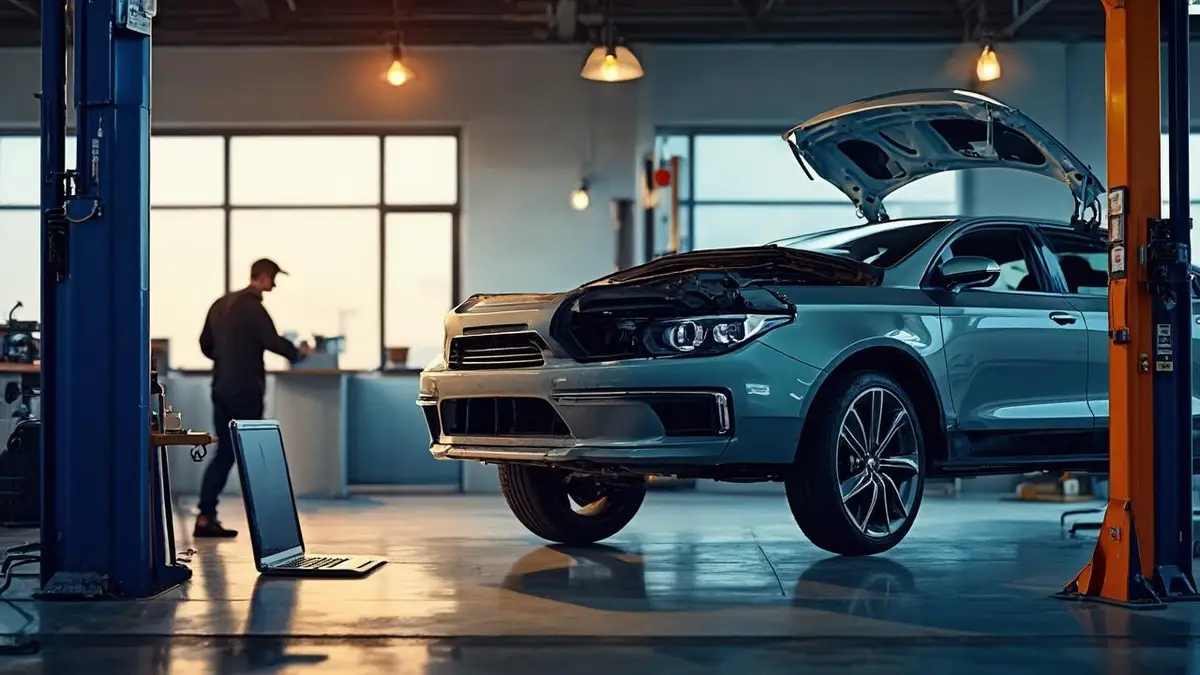
China’s rapid shift to electric vehicles is creating an unexpected challenge: a severe shortage of technicians who can repair them. As EVs become more common, the demand for specialized repair skills has outstripped supply, leading to soaring salaries and unfilled positions across the country.
The scale of the problem is evident in the numbers. Industry reports indicate that the gap between available EV repair technicians and market demand continues to widen, even as automakers ramp up production. Traditional mechanics, trained on internal combustion engines, often lack the knowledge to safely handle high-voltage systems, complex electronics, and advanced driver-assistance features.
This skills gap was on full display at the 48th WorldSkills Competition, held in Shanghai in September. The event, often called the “Olympics of vocational skills,” featured a dedicated automobile technology category that tested competitors on tasks like radar calibration for advanced driver-assistance systems (ADAS) and body electrical repairs. Chinese contestant Li Jiale was among those demonstrating the precision required to align sensors that help vehicles detect obstacles and brake automatically.
The competition also highlighted how the industry is evolving. In the heavy vehicle maintenance section, participants faced machines they hadn’t seen before, including new-energy heavy trucks that are increasingly used in logistics. This reflects a broader trend: as China exports more construction and transport equipment, the need for technicians who can service these machines abroad is also growing.
Automakers and training institutions are responding. Companies are partnering with vocational schools to provide hands-on training, sometimes starting even before students graduate. For instance, some firms supply vehicles, materials, and technical guidance to competitors, hoping to recruit them afterward. Once hired, these technicians continue to develop through real-world projects.
Despite these efforts, the shortage persists. The problem is not just about numbers but also about the pace of technological change. EVs incorporate software updates, battery management systems, and connectivity features that require continuous learning. Many experienced mechanics find it difficult to keep up without formal retraining.
Salaries for skilled EV technicians have risen sharply, in some cases doubling in recent years. Yet even with higher pay, many positions remain vacant. This suggests that the issue is not merely compensation but also the availability of qualified candidates. The challenge is compounded by the fact that repair work on EVs can be more complex and sometimes requires different safety protocols.
Looking ahead, the industry will need to invest heavily in education and certification programs. The WorldSkills event serves as a reminder that vocational skills are critical to the economy, and that China’s automotive future depends not only on factories but also on the people who keep those vehicles running. As the country continues its electric transition, closing the repair talent gap will be essential to sustaining growth and consumer confidence.