MiniMax Opens H3-Image Model That Draws 4K in Ten Seconds
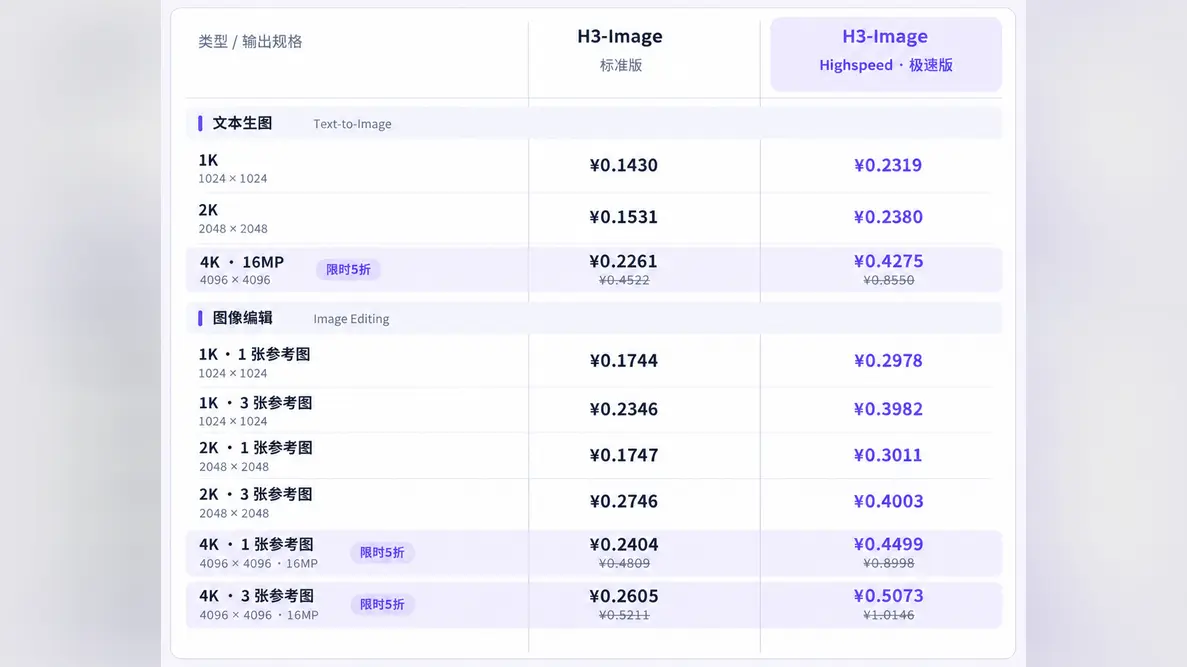
Chinese AI developer MiniMax released a new image-generation model on the night of November 10, and the detail that matters most is not the pictures it produces but the fact that anyone can download the weights. H3-Image, derived from the company’s earlier H3 model, handles text-to-image work, image references and editing, and MiniMax says it can produce a 4096 x 4096 pixel picture — roughly 16 megapixels, or 4K — in about ten seconds.
The pitch is speed plus detail. MiniMax describes the model as strong at following long instructions and at understanding several reference images at once, the kind of capability creative teams need when they want a character or product to stay consistent across a series of shots. Fast, high-resolution output matters for studios that iterate dozens of times before a client approves a frame.
Open weights are the strategic choice. By letting outside developers run H3-Image on their own machines, MiniMax follows a path several Chinese labs have taken: give the model away, win attention and a developer community, and sell hosted compute or enterprise services around it. It also lets companies keep sensitive images off someone else’s servers.
Early hands-on coverage from Chinese tech writers was broadly warm, framing the model as pairing strong prompt adherence with a more polished visual style than earlier open releases. Independent benchmarking will take longer to settle, and first-day impressions tend to flatter new models.
The timing is crowded. Anthropic pushed out Claude Fable 5.2 and Claude Mythos 5.2 on November 9, ByteDance upgraded the image tools inside its Doubao app with Seedream 5.5 the same day, and Tencent opened an internal test of an AI game companion. Image generation in particular is becoming a commodity, with quality climbing and prices falling fast.
That is why ten seconds and open weights read as a distribution play rather than a pure research claim. Developers who can download a model, test it locally and build a product around it without negotiating an API contract are the audience MiniMax wants, especially outside China, where its brand is far less known than it is at home.
For global readers, the practical question is what this does to the price of visual work. If a downloadable model can produce a 4K image in seconds, the cost of drafting a poster, a game asset or a product mock-up keeps sliding toward zero, and the value shifts to taste, editing and the human who signs off. Watch what independent testers find once they run H3-Image on their own hardware, and whether MiniMax follows with a hosted version priced to undercut rivals.