A Single Video Can Fill a City: How Social Media Rewrites Chinese Travel
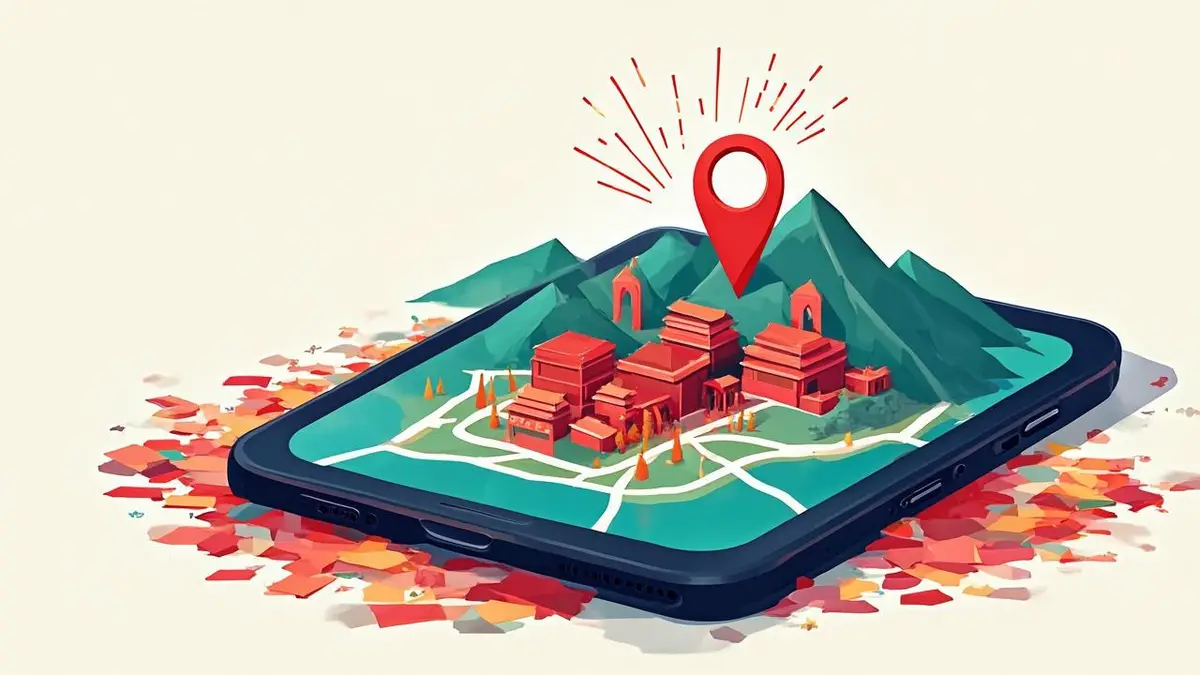
A single short video can make a city suddenly fill with tourists. A single post can put a two-hour queue outside a tiny shop. A single must-visit list can turn an overlooked destination into a crowded photo stop. Social media has moved deep into the way Chinese travellers choose where to go, what to eat, how to get there and whether a place was worth the trip at all.
The first stage is discovery. On platforms built around short video and image-heavy posts, places a traveller never considered are pushed directly into view. The feed does not wait for a search query; it serves landscapes, street food and quiet corners to users who were not looking for them. That is a different mechanism from the old model, where a destination had to be known before it could be researched.
The second stage is planning. Practical questions that once meant guidebooks and review sites are now answered inside the same apps: which train to take, which entrance is less crowded, which dish is the local specialty and which shop is overrated. Creators package this into itineraries that are easy to copy, and the copyable itinerary has become a format of its own.
The third stage is judgment, and it cuts both ways. Chinese travellers talk about being planted, or seeded, by a recommendation, and then pulling the weed, or rejecting the place, after visiting. A destination that looks perfect in a 30-second clip can disappoint in person, and the disappointment travels just as fast as the original praise. The result is a fast cycle of hype, crowding and backlash that local businesses and city managers must now plan around.
This is not only a story about viral fame. It changes the economics of small places. A shop that once served neighbours can be overwhelmed by visitors following the same post. A town with little tourism infrastructure can find itself hosting crowds it never built for. Some destinations benefit enormously; others discover that attention arrives faster than capacity.
The broader effect is that travel decisions have become more social and more visual. Travellers trust the look of a place and the voice of a creator they follow more than they trust official promotion. That gives enormous influence to a relatively small number of accounts, and it makes the travel experience itself into content that feeds the next wave of visitors.
For global readers, the pattern will look familiar from Instagram and TikTok, but its intensity in China is distinctive because discovery, booking, payment and reviews often sit inside a handful of super-apps. The lesson for destinations anywhere is that reputation is now made and unmade in the same feed, and that the gap between a place as shown and a place as experienced is where the next crisis, or the next boom, begins.