Why Washing Your GORE-TEX Jacket May Actually Save It
Spend a few thousand yuan on a GORE-TEX shell and someone will soon offer a warning: never put it in the washing machine, because one cycle strips the waterproofing forever. The advice is repeated so often that many owners treat a rugged outdoor jacket like fragile glass, dabbing at mud with wet wipes and enduring a whole autumn of sweat, hotpot smoke and campfire smell rather than risk a wash. The truth, according to materials specialists, is that a GORE-TEX jacket can be machine washed, and that correct cleaning actually extends its working life.
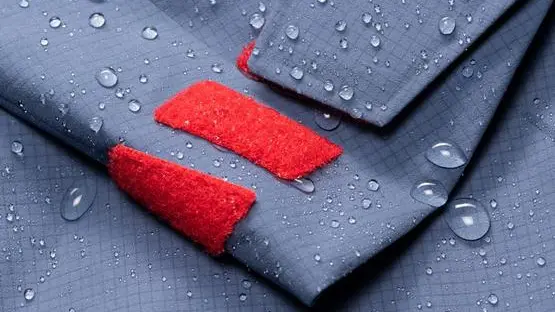
The confusion comes from how waterproof-breathable fabrics are built. The membrane inside a GORE-TEX garment is a thin sheet of expanded polytetrafluoroethylene, the same family of polymer behind non-stick pans, punctured by billions of pores far smaller than a water droplet but larger than a water-vapour molecule. That structure lets sweat escape while rain bounces off. On top sits a durable water repellent finish, which makes water bead and roll away.
What kills performance is not water but dirt. Body oils, sunscreen, sweat salts and dust gradually clog the pores and coat the repellent surface. Water stops beading, the outer fabric starts to look damp, and the jacket feels clammy because vapour can no longer pass. The membrane itself is usually fine. A gentle wash with a technical-fabric detergent removes the contaminants and lets the fabric breathe again.
The common mistakes are more mundane than the myth suggests. Ordinary laundry powder and fabric softener leave residues that attract water and block pores, so a dedicated cleaner matters more than the machine. Zips should be closed and the jacket turned inside out. A low-spin cycle is fine; the drying stage is where many people go wrong. Tumble drying on low heat reactivates the durable water repellent finish, while a cool iron over a towel can do the same job.
When beading still fails after washing, the finish has worn out and can be renewed with a spray-on or wash-in repellent. That is maintenance, not repair, and it is far cheaper than replacing a shell. The same logic applies to other outdoor gear: sleeping bags, down jackets and hiking boots all perform better when cleaned according to their materials rather than left to accumulate grime out of superstition.
The broader lesson is about how consumer folklore forms. A single ruined jacket, washed with the wrong detergent at the wrong temperature, becomes a rule passed around online without the conditions attached. Manufacturers publish care labels for a reason, yet the label is often the last thing an owner reads.
For anyone heading into a cold, wet autumn, the practical takeaway is simple. Wash the jacket when it looks dirty or stops beading, use the right detergent, skip the softener, and let low heat do the finishing work. The waterproof layer was never as delicate as the rumour claimed.