Skechers' Panda Sneaker: The Science of a Shoe That Won't Quit
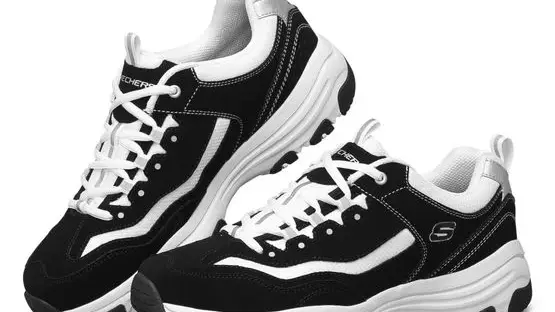
For more than ten years, one chunky white-and-black sneaker has refused to leave Chinese shoe shelves. The Skechers panda sneaker — named for its black-and-white colour blocking, not any actual bear — has become a fixture in malls and on social media, and a recent piece from the science outlet Guokr tried to explain why a design this simple keeps winning.
The answer starts with a familiar complaint. Choosing shoes often feels like picking between two bad options: the pair that photographs well but feels like walking on bricks, or the pair that cradles your feet but looks dated. You want a sneaker that looks good in photos, survives a long day of walking, and does not force you to crouch down and tie laces while juggling a toddler and a parcel.
Skechers built its panda line around exactly that tension. The shoe’s thick, cushioned sole is the reason Chinese shoppers nicknamed this whole category the ‘universal dad shoe’ — a chunky, comfortable silhouette that works with jeans, dresses and everything between. The black-and-white palette is deliberately neutral, which means it is easy to pair and hard to get wrong. For shorter wearers, the added height is a quiet bonus.
The other half of the story is the slip-on. Skechers has pushed hands-free designs that let you step into the shoe without bending over, a feature the brand markets as saving you the morning scramble. Parents carrying children, couriers with full hands, and commuters sprinting for a train all sit in that same audience. It is not a glamorous innovation, but it solves a real, repeated annoyance.
There is a broader lesson in how the panda sneaker has lasted. Footwear trends usually burn bright and fade fast, especially in China’s crowded sneaker market, where new drops arrive weekly. A shoe that survives a decade usually does so by serving a stable need rather than chasing a moment. Comfort and convenience are not seasonal.
The Guokr piece frames the choice as a false dilemma. You do not have to pick between looking good and feeling good, and you do not have to accept a shoe that demands your attention every time you put it on. The panda sneaker’s long run suggests a lot of shoppers quietly agree — they just want one pair that handles the school run, the office and the weekend without complaint.
None of this makes the shoe a technical marvel. It is foam, fabric and rubber, assembled with a clear idea of who wears it and when. But that clarity is exactly what makes it interesting. In a market obsessed with novelty, the most reliable formula may still be the least fashionable one: make something people can wear all day, then let them forget about it.