China's Tea Traditions in Modern Times
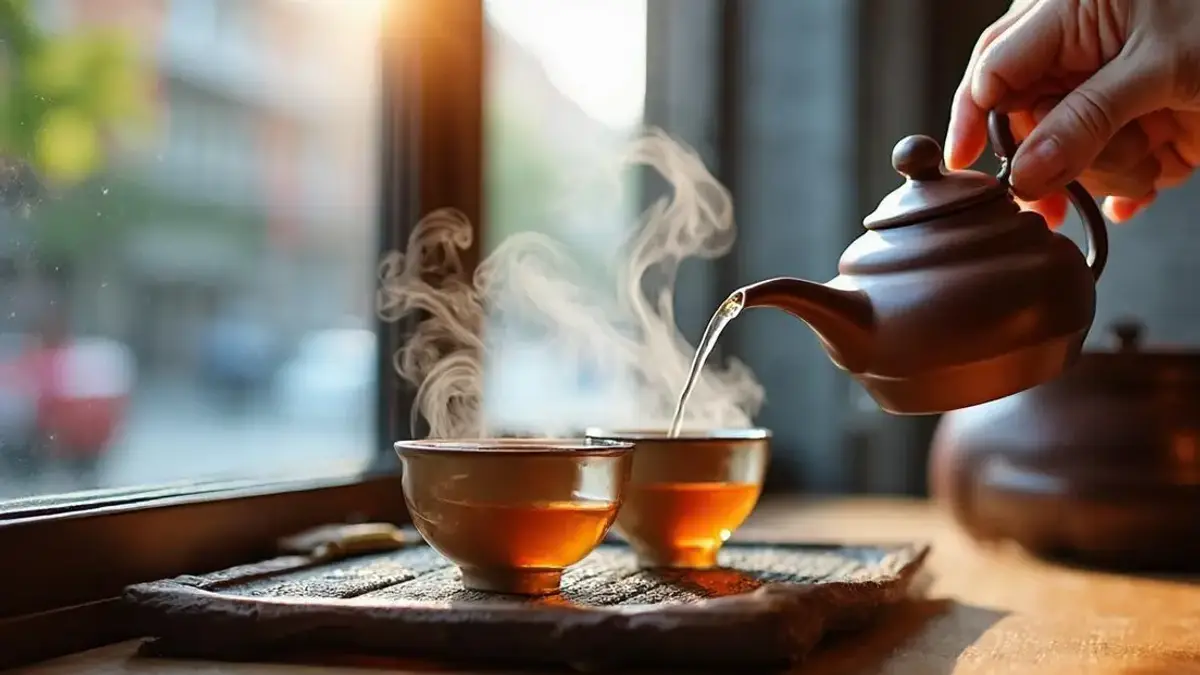
In the bustling cities of China, tea remains more than just a beverage—it’s a living tradition that has evolved to meet modern demands. China’s rich tea heritage, spanning thousands of years, continues to influence global tastes while adapting to contemporary preferences and innovations. From traditional teahouses in Hangzhou’s West Lake to trendy specialty cafes in Shanghai, tea culture demonstrates remarkable resilience and adaptability in the face of modernization.
China’s diverse tea regions produce an astonishing variety of teas, each with unique characteristics and production methods. In Yunnan province, ancient tea trees hundreds of years old continue to produce premium Pu-erh tea, while in Fujian, artisans meticulously hand-roll oolong teas using techniques passed down through generations. These traditional methods now complement innovative approaches that appeal to younger generations and international markets.
The modern Chinese tea scene has witnessed a renaissance of specialty tea shops that offer curated experiences beyond the traditional teahouse. These establishments often combine traditional elements with contemporary design, creating spaces where customers can not only purchase premium teas but also participate in workshops that teach proper brewing techniques and appreciation of different varieties. This fusion of old and new has helped revitalize interest among younger Chinese consumers.
Technology has also played a significant role in transforming China’s tea industry. Mobile applications now help consumers identify authentic teas, while e-commerce platforms connect tea producers directly with global buyers. Blockchain technology is being implemented to verify the origin and quality of premium teas, addressing concerns about counterfeit products in the market. These innovations have expanded access to Chinese teas while preserving their cultural significance.
Internationally, Chinese tea culture continues to gain recognition through cultural exchanges and specialized tourism. Tea tourism routes in major producing provinces attract visitors seeking authentic experiences, while Chinese tea masters demonstrate traditional ceremonies at international events. This cultural diplomacy not only promotes Chinese tea but also fosters cross-cultural understanding and appreciation of China’s living heritage.
Looking ahead, China’s tea industry faces both opportunities and challenges in the global market. As consumers worldwide become more interested in authentic, culturally significant products, Chinese teas have potential for increased international presence. However, maintaining quality standards while meeting growing demand requires balancing traditional methods with modern production techniques—a delicate task that defines the industry’s future direction.