تقاليد الشاي الصينية في العصر الحديث
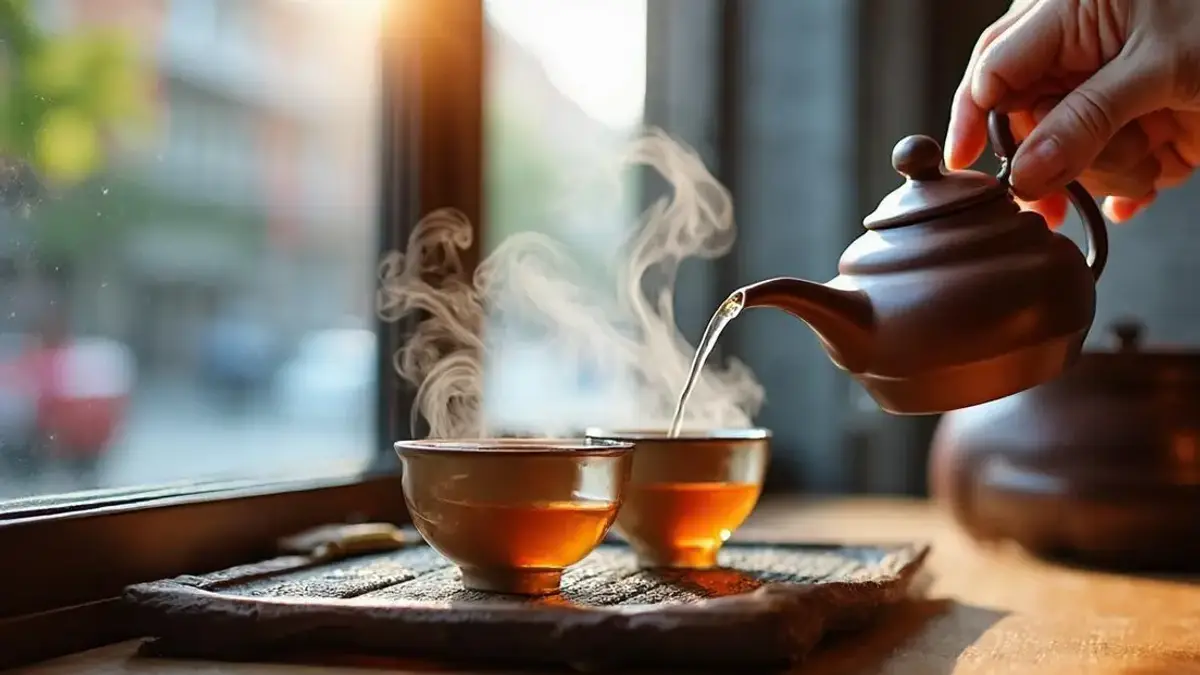
في المدن المزدحمة في الصين، لا يظل الش مجرد مشروب—إنه تقاليد حية تطورت لتلبية المتطلبات الحديثة. التراث الغني للشاي في الصين الذي يمتد لآلاف السنين، continues to influence global tastes while adapting to contemporary preferences and innovations. From traditional teahouses in Hangzhou’s West Lake to trendy specialty cafes in Shanghai, tea culture demonstrates remarkable resilience and adaptability in the face of modernization.
تنتج مناطق الشاي المختلفة في الصين تنوعًا مذهلاً من أنواع الشاي، كل منها خصائصه وطرق إنتاجه الفريدة. In Yunnan province, ancient tea trees hundreds of years old continue to produce premium Pu-erh tea, while in Fujian, artisans meticulously hand-roll oolong teas using techniques passed down through generations. These traditional methods now complement innovative approaches that appeal to younger generations and international markets.
شهد مشهد الشاي الصيني الحديث نهضة في متاجر الشاي المتخصصة التي تقدم تجارب مصممة بعناية تتجاوز البيت التقليدي للشاي. غالبًا ما تجمع هذه المنشآت بين العناصر التقليدية والتصميم المعاصر، مما يخلق مساحات يمكن للعملاء فيها ليس فقط شراء الشاي الفاخر ولكن أيضًا المشاركة في ورش عمل تعلم تقنيات الشرب المناسبة وتقدير الأنواع المختلفة. This fusion of old and new has helped revitalize interest among younger Chinese consumers.
لعبت التكنولوجيا أيضًا دورًا مهمًا في تحويل صناعة الشاي في الصين. Mobile applications now help consumers identify authentic teas, while e-commerce platforms connect tea producers directly with global buyers. Blockchain technology is being implemented to verify the origin and quality of premium teas, addressing concerns about counterfeit products in the market. These innovations have expanded access to Chinese teas while preserving their cultural significance.
عالميًا، continue Chinese tea culture to gain recognition through cultural exchanges and specialized tourism. Tea tourism routes in major producing provinces attract visitors seeking authentic experiences, while Chinese tea masters demonstrate traditional ceremonies at international events. This cultural diplomacy not only promotes Chinese tea but also fosters cross-cultural understanding and appreciation of China’s living heritage.
نظرة إلى المستقبل، تواجه صناعة الشاي في China both opportunities and challenges in the global market. As consumers worldwide become more interested in authentic, culturally significant products, Chinese teas have potential for increased international presence. However, maintaining quality standards while meeting growing demand requires balancing traditional methods with modern production techniques—a delicate task that defines the industry’s future direction.