India's $1 Million Gamble: Three South American Tests, One Goal
India’s national football team spent the October international window doing something unusual: instead of chasing easy wins against regional neighbours, they invited three South American sides to play on Indian soil. The results were lopsided — a 1-1 draw with Panama, a 0-4 loss to Brazil, and on Tuesday a 1-6 defeat to Uruguay. But the scorelines hide a more interesting story about how a lower-ranked football nation tries to close a gap that cannot be closed by training alone.
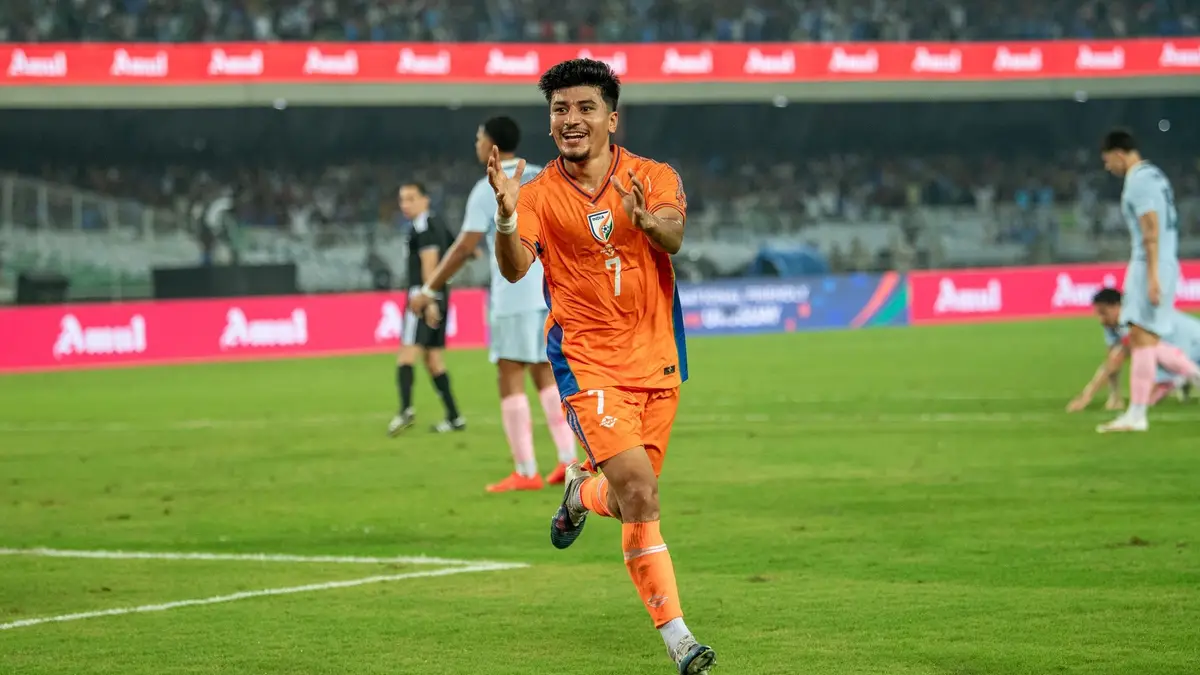
The Uruguay match produced the moment Indian fans will remember. After Darwin Núñez converted a penalty in the 11th minute, India hit back eleven minutes later when Thapa scored from a rebound during a counterattack, briefly levelling the game and sending the home crowd into celebration. It was the first time India had scored against Uruguay since 1982, when they lost 1-3. Uruguay then reasserted control through a Maxi Araújo double, plus goals from Salazar, Sanabria and Aguirre, closing out a 6-1 win. The match was briefly interrupted, underlining how unusual this kind of fixture is for the host nation.
For context, India sit far outside football’s elite, and Uruguay are two-time world champions with a squad drawn almost entirely from European leagues. A six-goal defeat is not shocking. What matters is the decision to accept it. Friendly matches are normally arranged to protect rankings and morale; India chose the opposite, treating the window as a laboratory rather than a showcase.
There is a real debate here, and it is not unique to India. Coaches in developing football countries argue constantly about whether exposure to superior opposition accelerates growth or simply damages confidence. Heavy losses can teach players the speed of decision-making at the top level, the physical demands of pressing, and the cost of a single misplaced pass. They can also normalise defeat. The answer usually depends on what happens next — whether lessons are converted into structured development, or forgotten until the next lopsided friendly.
India’s window produced one draw and one goal, which sounds thin. But the goal came against Uruguay, from open play, in front of a home crowd. For a team trying to build belief, that is a tangible marker. It also gives coaches something concrete to show players: proof that the gap is wide but not infinite.
Meanwhile, the wider football calendar was busy with friendlies and records. Russia led Nigeria 2-1 at half-time in another international friendly, with Kelechi Iheanacho scoring for Nigeria. In Europe, Harry Kane was one appearance away from matching Peter Shilton’s England record of 125 caps, a milestone that frames just how long elite international careers can now last.
India’s experiment will be judged over years, not one week. The immediate takeaway is simpler: they scored against Uruguay for the first time in more than four decades, and they did it by choosing the hardest possible opponents. Whether that becomes a foundation or a footnote depends on the fixtures India schedules next — and whether anyone in the squad is still there to remember what it felt like.