China's Holiday Hosting Trap: When Relatives Push You Too Far
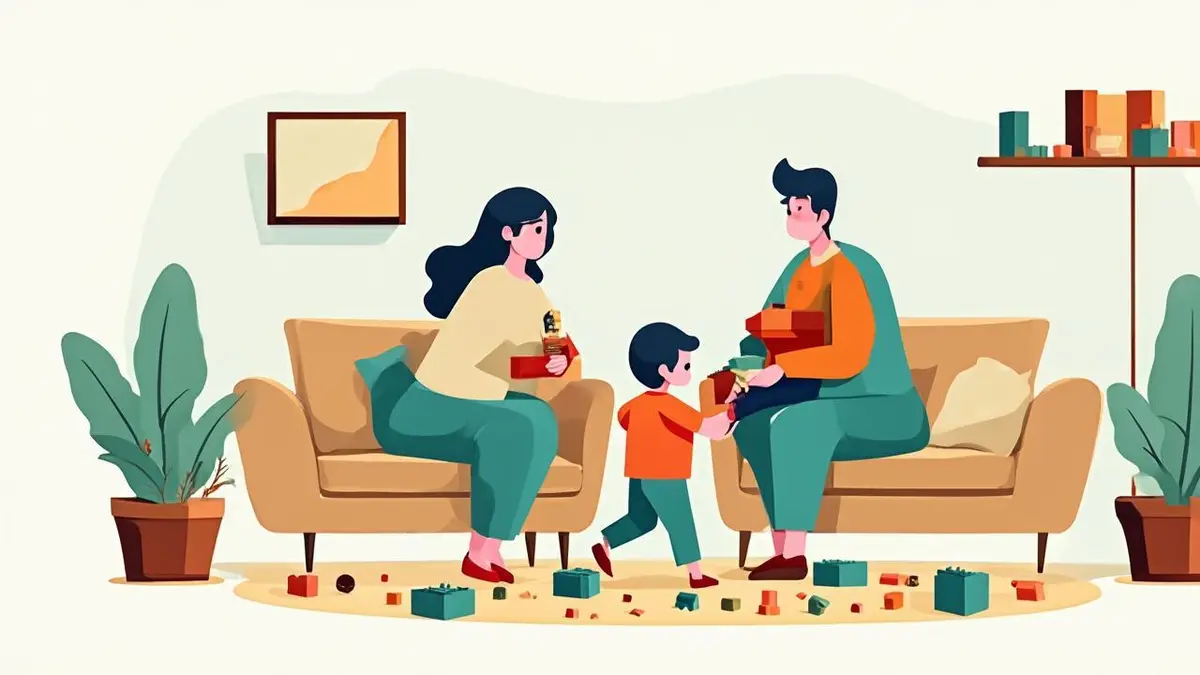
A father’s holiday complaint has become one of the most argued-over posts of China’s National Day break. Writing on the forum Hupu Buxingjie, he described staying at his brother-in-law’s home for the week-long holiday with his wife and their 20-month-old son. When the toddler dismantled his eight-year-old cousin’s building-block model, the girl shouted at him, grabbed the toy back and reduced him to tears. Her father said nothing. Later, the girl warned the adults that the matter was not over, and when the visitor answered back, she cried harder. His wife told him he had handled it badly. He felt the child was spoiled.
The post is a small domestic squabble, but it landed on nerves that are unusually raw right now. The National Day holiday, which runs from October 1, is one of the two long breaks when Chinese families travel long distances to see one another. For many people it means sleeping in someone else’s spare room, eating at someone else’s table and negotiating rules about children, money and manners that were never agreed in advance.
Comment threads split almost evenly. Some readers backed the father, arguing that a child who screams and snatches needs to be corrected by her own parents, and that staying silent teaches her the wrong lesson. Others said an adult should never argue with an eight-year-old, especially a guest in someone else’s house. A third group focused on the wife, asking why she was left to manage the fallout between her husband and her brother’s family.
The debate reflects a broader shift in how younger Chinese parents think about discipline. Corporal punishment and public scolding were once routine; today, many urban parents read parenting books and follow psychologists who warn that shaming a child can do lasting damage. That has created a gap between generations, and between families, about what counts as reasonable correction. When two households share a roof for a week, those differences surface fast.
Holiday hosting carries its own etiquette. Guests are expected to bring gifts, help with meals and keep their children quiet. Hosts are expected to be generous and not to complain. The unwritten rules rarely survive contact with a tired toddler and a possessive older child. Social media has become the release valve, with posts about in-laws, sleeping arrangements and unequal gift-giving drawing huge audiences every October.
Mental-health professionals quoted in Chinese media often suggest the same practical steps: agree on rules before the visit, keep discipline with the child’s own parents, and let small property disputes go. That advice is easy to give and hard to follow in a crowded apartment at the end of a long day.
The father’s post ended without a resolution. He asked readers whether he was wrong. Thousands answered, and the disagreement itself may be the real story: a generation of Chinese adults is still working out how to be a guest, a host and a parent at the same time, usually with the whole family watching.