China's Running Revolution: Marathon Culture Blooms
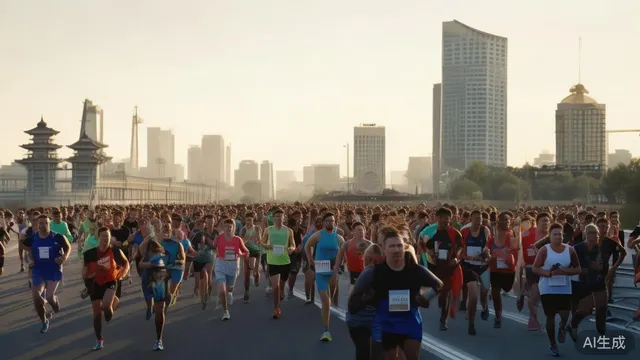
In just over a decade, China has transformed from a nation where bicycles were the primary mode of transportation into a global powerhouse of running culture. Major cities across the country now host internationally recognized marathons, with participation numbers growing exponentially each year. What began as a niche activity has evolved into a national movement that reflects changing lifestyles and priorities in Chinese society.
The marathon boom in China represents more than just a fitness trend; it symbolizes the country’s economic development and growing middle class with increased leisure time and disposable income. Major urban centers like Beijing, Shanghai, and Shenzhen now feature prominently on the international marathon circuit, attracting elite runners and fitness enthusiasts from around the world. These events showcase China’s modern infrastructure and organizational capabilities while promoting healthy lifestyles.
Chinese runners have not only embraced marathon culture but have also begun to excel on the global stage. In 2023, Chinese athletes podium finishes at major international marathons became increasingly common, signaling the country’s emergence as a competitive force in distance running. This athletic achievement has inspired millions more Chinese citizens to take up running, creating a virtuous cycle of participation and excellence.
The growth of running culture has spawned a thriving industry of running gear, training apps, and specialized fitness centers. International sportswear brands have invested heavily in the Chinese market, while domestic companies have emerged to cater specifically to runners’ needs. The popularity of running has also created new economic opportunities, from marathon tourism to specialized running clubs and training facilities.
Unlike many Western countries where running is often an individual pursuit, running in China frequently takes on a collective, social dimension. Running clubs and community groups have proliferated, creating a sense of camaraderie that attracts people of all ages and fitness levels. This communal aspect has been instrumental in making running accessible and appealing to a broad cross-section of Chinese society.
The environmental impact of China’s running boom cannot be overlooked. Many cities have incorporated running paths into urban planning, creating green spaces that serve both recreational and ecological purposes. The increased focus on fitness has also led to greater awareness of health and wellness issues, prompting both individuals and policymakers to prioritize active lifestyles and environmental sustainability.
Looking ahead, China’s running revolution shows no signs of slowing down. With urbanization continuing and living standards rising, participation in running and other fitness activities is expected to keep growing. China’s unique approach to running culture—blending traditional fitness philosophies with modern sports science—may offer valuable insights for countries looking to promote active, healthy lifestyles in their own populations.