China's Green Revolution in Agricultural Technology
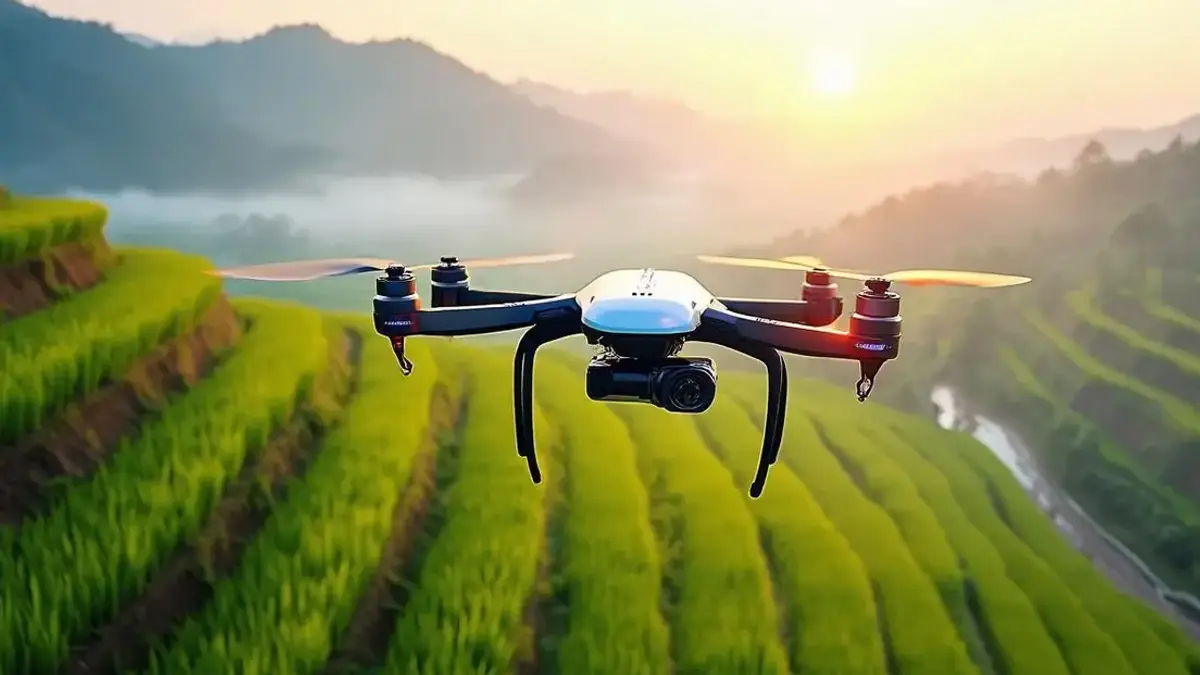
In laboratories across China, scientists are developing cutting-edge agricultural technologies that address the dual challenges of food security and environmental sustainability. These innovations include drought-resistant crops, precision farming systems, and vertical farms that maximize production while minimizing resource consumption, offering a glimpse into the future of sustainable agriculture.
China’s agricultural sector has long been under pressure to feed nearly 20% of the world’s population with just 9% of the world’s arable land. This challenge has accelerated innovation, with Chinese researchers now developing genetically modified crops that can withstand harsh conditions while maintaining high nutritional value. These breakthroughs could help address global food security concerns as climate change intensifies.
Precision agriculture represents another frontier of China’s agricultural innovation. Using drones, sensors, and big data analytics, Chinese farmers are optimizing water usage, fertilization, and pest control. This data-driven approach reduces waste while increasing crop yields, creating a more efficient and environmentally friendly farming model that could be replicated worldwide.
Vertical farming has gained significant traction in China’s urban centers, where space is limited and demand for fresh produce is high. These indoor farms use hydroponic systems and artificial lighting to grow crops year-round without soil, reducing transportation costs and carbon emissions. Several Chinese cities have established large-scale vertical farms that supply local markets with leafy greens and herbs.
China is also investing in agricultural robotics to address labor shortages in rural areas. Autonomous tractors, harvesting robots, and sorting machines are increasingly common on Chinese farms, increasing efficiency while reducing the physical demands on farmers. These technologies help maintain agricultural productivity as the rural population ages and young people migrate to cities.
The integration of traditional farming knowledge with modern technology has created a unique approach to sustainable agriculture in China. Farmers are combining centuries-old techniques like crop rotation and companion planting with cutting-edge technology, creating resilient farming systems that preserve biodiversity while maximizing productivity.
China’s agricultural innovations are not just domestic achievements—they have global implications. As the world faces growing food security challenges due to climate change and population growth, Chinese agricultural technologies offer promising solutions that could help transform farming practices worldwide, contributing to a more sustainable and food-secure future for all.