Chinese Tea Traditions in Modern Times
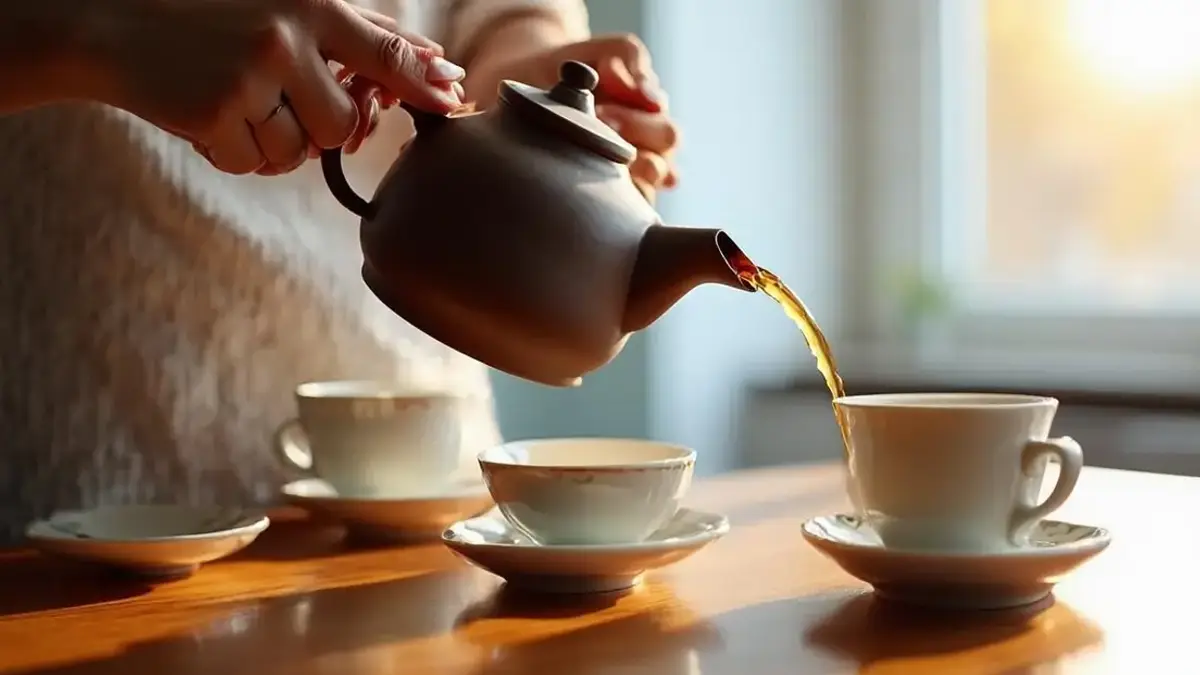
The art of tea in China dates back thousands of years, with its roots deeply embedded in philosophy, medicine, and social customs. Today, this ancient tradition is experiencing a remarkable transformation as it adapts to modern lifestyles and global influences. Tea houses across China are reimagining the centuries-old practice, creating spaces that honor tradition while appealing to contemporary sensibilities.
In bustling urban centers like Shanghai and Beijing, tea culture has become a sophisticated lifestyle statement. Modern tea establishments offer not just premium teas but immersive experiences that combine traditional brewing methods with minimalist design aesthetics. Younger generations are embracing tea as a healthier alternative to coffee, creating a growing market for specialty teas and innovative tea-based beverages that appeal to diverse tastes.
The digital revolution has also touched China’s tea culture, with tea enthusiasts using social media platforms to share brewing techniques, tea pairings, and tasting notes. Virtual tea ceremonies have emerged during pandemic times, allowing people to connect through the shared experience of tea preparation despite physical distances. This digital preservation of tradition has introduced Chinese tea culture to global audiences in unprecedented ways.
China’s tea regions are experiencing a renaissance as well. Famous tea-growing areas like Hangzhou’s Longjing (Dragon Well) and Fujian’s Anxi are developing sustainable practices that honor traditional cultivation methods while addressing environmental concerns. These regions are becoming destinations for tea tourism, offering visitors authentic experiences that connect them directly to the source of their favorite beverages.
Tea innovation extends beyond consumption to wellness and beauty applications. Tea extracts are increasingly featured in skincare products, wellness supplements, and even cuisine. The versatility of Chinese tea varieties—from delicate white teas to robust Pu-erhs—is inspiring new applications in health and beauty sectors, demonstrating how this ancient tradition continues to evolve.
As China’s tea culture modernizes, it maintains its philosophical underpinnings. The practice of tea drinking continues to embody values of mindfulness, harmony, and respect—principles that resonate deeply in today’s fast-paced world. Whether enjoyed in a traditional ceremony or prepared with modern convenience, Chinese tea remains a vital cultural bridge connecting China’s rich heritage with its dynamic present.